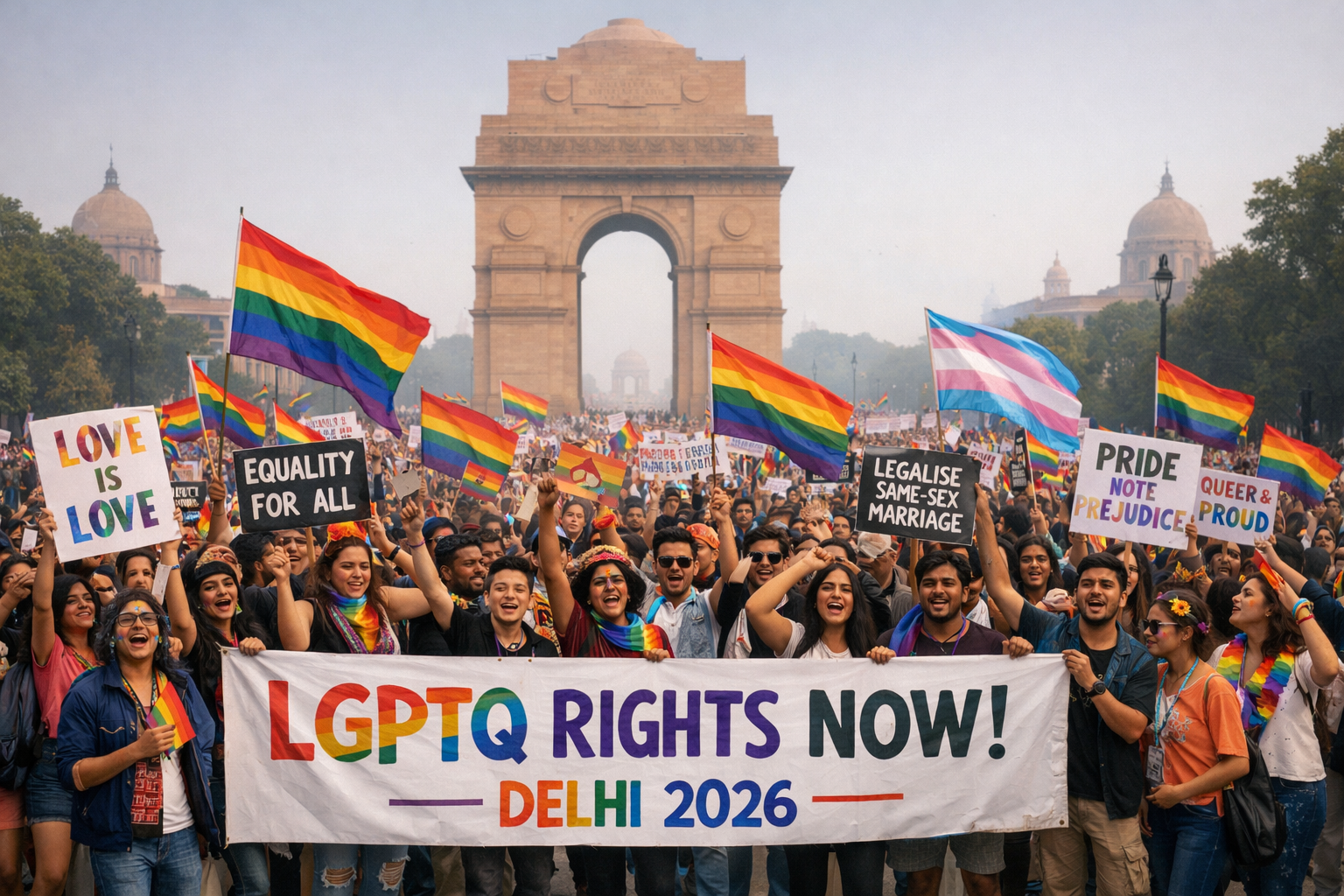
The streets of Delhi have always been a theater for change. From the historic protests at Jantar Mantar to the vibrant colors of Connaught Place, the capital is once again at the heart of a social revolution. In February 2026, the LGBTQ+ community and its allies have taken to the streets in record numbers, turning the city’s concrete landscape into a canvas of rainbow flags and powerful slogans.
But beyond the glitter and the dhol beats, there is a deep-seated struggle for legal recognition, marriage equality, and campus safety. Here is a look at the current state of LGBTQ+ protests in Delhi and how the diverse population of this metropolis is reacting.
The Catalyst: Why is Delhi Protesting in 2026?
While the decriminalization of Section 377 in 2018 was a landmark victory, the community’s demands have evolved. The 2026 protests are driven by three main pillars:
- The Fight for Marriage Equality: Following the Supreme Court’s 2023 decision to leave marriage legislation to Parliament, the community is pushing for tangible civil rights—including inheritance, joint adoption, and insurance benefits.
- UGC Equity Regulations 2026: A major flashpoint this year has been the UGC (Promotion of Equity in Higher Education Institutions) Regulations. Protesters are demanding strict implementation to protect queer and trans students from campus discrimination.
- Against Social Stigma: Despite legal progress, many individuals still face mockery and “corrective” pressures. The February 2026 Pride march saw thousands shouting against the “politics of mockery” that still haunts public and private spaces.
Public Reaction: A City Divided?
Delhi is a melting pot of traditional values and progressive aspirations. Consequently, the reactions to these protests are multifaceted.
1. The Gen Z and Millennial Solidarity
The most vocal support comes from the city’s youth. Students from Delhi University (DU) and JNU have been at the forefront, blending LGBTQ+ rights with broader social justice movements. For many young Delhiites, “Love is Love” isn’t just a slogan—it’s a lived reality.
2. The Curious and Cautious Middle Class
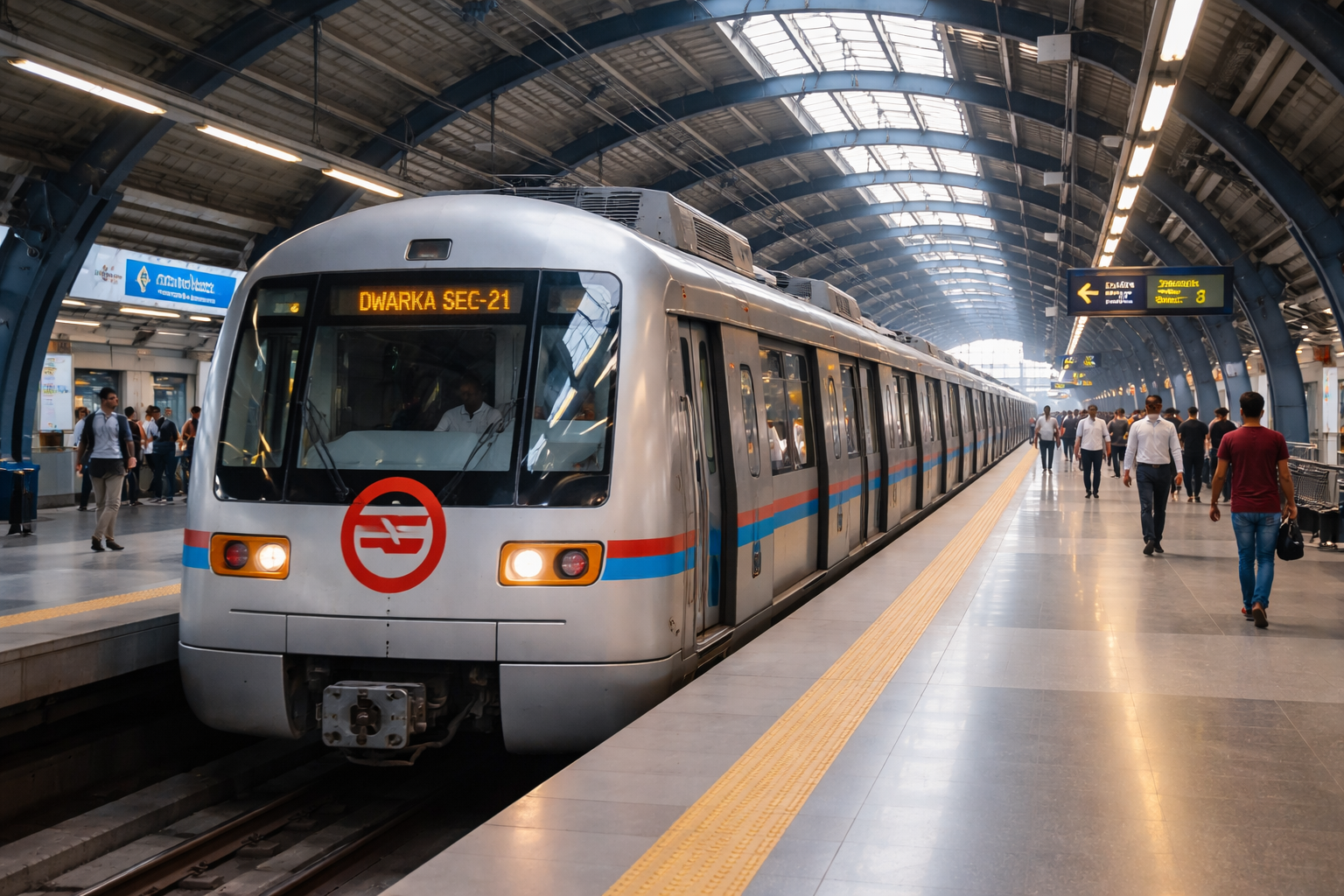
For the average commuter at Rajiv Chowk, the protests are often met with a mix of curiosity and mild inconvenience. While there is a growing “live and let live” attitude, many still view the vibrant displays of Pride as “Western influence.” However, the visibility of the Delhi Queer Pride Parade (held on February 8, 2026) has forced many families to have conversations that were once considered taboo.
3. The Traditionalist Pushback
It isn’t all rainbows. Certain groups have expressed concerns over the “dilution of traditional family values.” The recent UGC regulations, in particular, saw counter-protests from student groups who fear that “over-regulation” could lead to the misuse of laws. These groups often argue for a slower, more “culturally aligned” approach to social change.
4. The Digital Echo Chamber
Social media in India has become a battleground. On platforms like X (formerly Twitter) and Instagram, hashtags like #DelhiPride2026 trend alongside more conservative counter-narratives. The anonymity of the internet often brings out harsher reactions than what is seen on the physical streets.
If you are looking to be an ally or participate in the ongoing dialogue, here are a few ways to engage:
- Attend Local Meets: Beyond the annual Pride, groups like the Delhi Queer Pride Committee host monthly meetups and film screenings.
- Support Inclusive Businesses: Patronize cafes in Hauz Khas or Shahpur Jat that openly display the rainbow flag and provide safe spaces.
- Educate and Empathize: The best way to counter negative reactions is through conversation. Understanding the legal hurdles—like the lack of joint adoption rights—helps move the conversation from “identity” to “human rights.”
The Road Ahead
Delhi’s LGBTQ+ protests are a sign of a healthy, breathing democracy. While the reactions vary from euphoric support to staunch opposition, the needle is moving. The “Jan Sailaab” (wave of people) seen on Delhi’s streets this February proves that the community is no longer content with being “tolerated”—they are demanding to be celebrated.