Finding a home in the heart of the capital is a feat. Finding one that won’t give you a legal headache or a financial heartbreak? That is an art.
As of February 2, 2026, the Delhi real estate market is faster and more digital than ever. With the Master Plan Delhi 2041 driving redevelopment and RERA 2.0 tightening the screws on transparency, you have more protection than your parents did—but the scammers have also upgraded their game.
If you’re out on the streets of South Ex, Rohini, or Dwarka this week looking for your dream nest, here is your definitive safety manual to ensure your investment stays secure.
1. Legal Fortification: The “Digital Paper” Trail
In 2026, a “verbal promise” in Delhi real estate is about as valuable as a clear sky in November. Your first line of defence is digital verification.
- RERA 2.0 Verification: Before you even step into a sample flat, grab the RERA Registration Number. Under the 2026 guidelines, every project must have a live digital dashboard showing monthly construction photos. If the builder says, “Sir, the portal isn’t updated,” walk away.
- The Bhulekh Check: Delhi’s land records are now fully digitized. Use the Delhi Bhulekh portal to check the Record of Rights (ROR). This ensures the person selling you the land actually owns it.
- Encumbrance Certificate (EC): This is your “No-Stress Certificate.” It proves the property isn’t mortgaged to a bank or tangled in a legal battle. In 2026, you can fetch this via the DORIS (Delhi Online Registration Information System) portal in minutes.
2. Financial Shielding: Follow the Money
The days of carrying “briefcases of cash” are over (and highly illegal). To stay safe, your financial transactions must be “boring” and traceable.
- The 10% Rule: Under RERA 2.0, a builder cannot legally ask for more than 10% of the property cost before a formal Sale Agreement is registered.
- Escrow is King: Ensure your payments go into a designated Escrow Account. 70% of your money is legally mandated to stay in that account for construction only.
- The Penalty Formula: If your project is delayed, don’t let the builder dictate terms. The law now mandates a standard interest payout.
3. Neighborhood Vetting: Beyond the “Posh” Label
A neighborhood might look great at 2:00 PM on a Sunday, but what about 10:00 PM on a Tuesday?
- The “eParikshan” Advantage: The Delhi Police recently launched the eParikshan app. Use it to check the verified status of residents and domestic help in the area. It gives you a “Safety Census” of the neighborhood.
- RWA Vigilance: In 2026, a strong Resident Welfare Association (RWA) is more important than a fancy gym. Ask to see their visitor management system (like MyGate or ApnaComplex). If they don’t have a digital log for visitors, their security is likely just “performative.”
- Street Lighting & CCTV: Check if the approach roads are covered under the Delhi Government’s “Safe City” CCTV project. Dark spots are red flags, no matter how cheap the rent is.
4. Physical & Structural Safety: The 2026 Standards
Delhi sits in Seismic Zone IV, making it high-risk for earthquakes. In 2026, “looking pretty” isn’t enough.
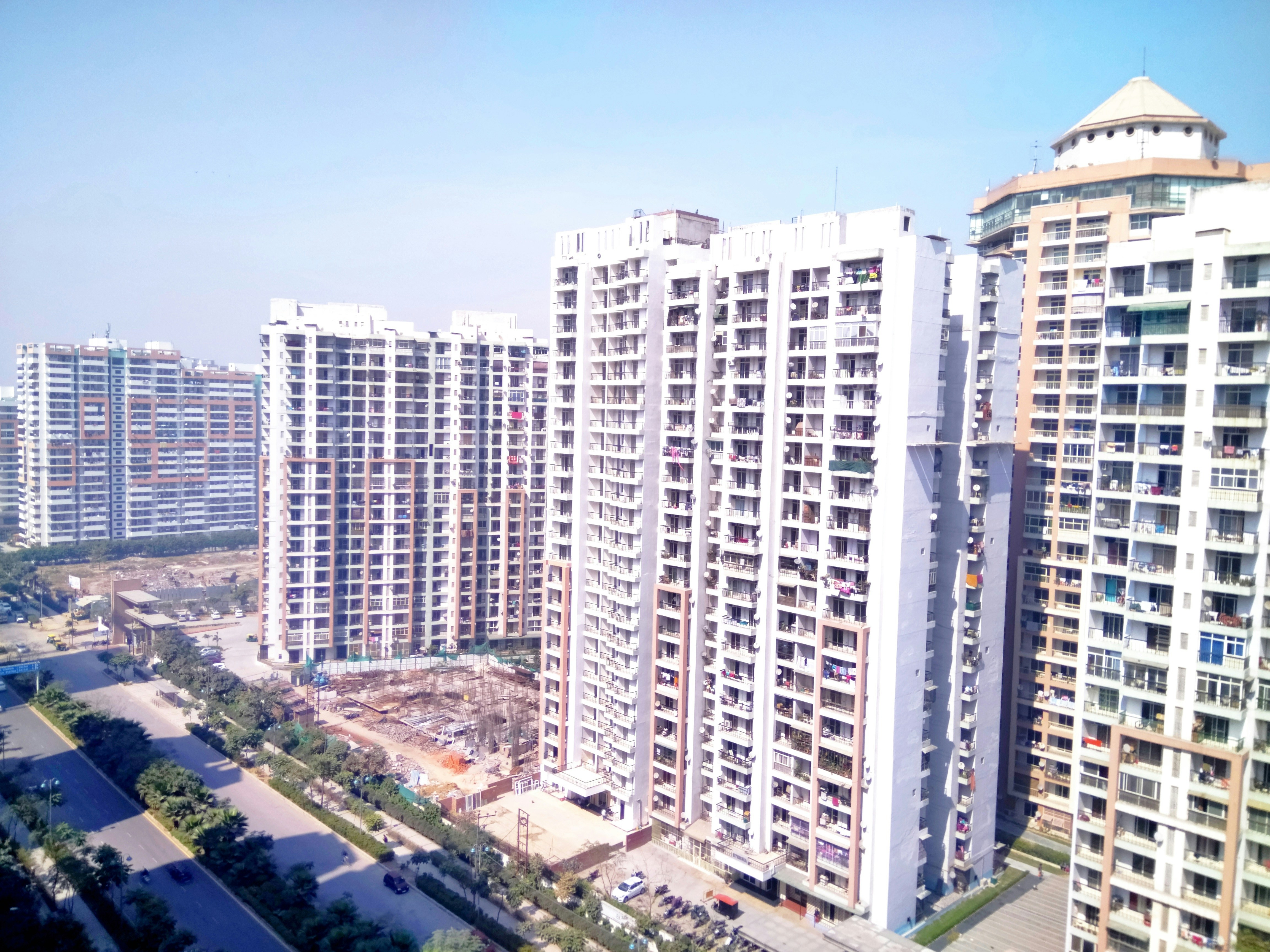
- Structural Audit Certificate: For high-rises in areas like Noida-Extension or East Delhi, demand the latest structural audit report. New buildings in 2026 are required to have “Earthquake Resistant” certification pinned to the lobby.
- Fire Safety (NOC): Verify the Fire No-Objection Certificate. Check if the fire pipes are actually pressurized (look at the gauges in the hallway) and if the emergency exits are used as “storage rooms” by neighbors.
- Air Safety (CTFA): As we discussed in our previous blog, check if the building has integrated air filtration. In a city where “Air Quality” is a life-or-death metric, a safe home is one that filters out PM2.5 at the source.
5. The “Scam Alert” Checklist
Scammers in 2026 are sophisticated. Watch out for these:
- The “Urgent Token” Scam: “Sir, three other people are bringing the check, pay ₹50,000 on UPI now to lock it.” Never pay a token without seeing the owner’s Aadhaar and Title Deed.
- Fake Listings: If a 3BHK in Greater Kailash is listed for ₹50,000 rent, it’s a scam. Use the “Too Good to be True” filter.
- QR Code Frauds: Never “Scan” a QR code to receive a refund or a booking amount. Scanners only send money.
Trust, but Digitally Verify
Delhi is a city of incredible opportunities, but it rewards the diligent. By using the digital tools available in 2026—from RERA dashboards to eParikshan—you can shift the power balance back in your favor.