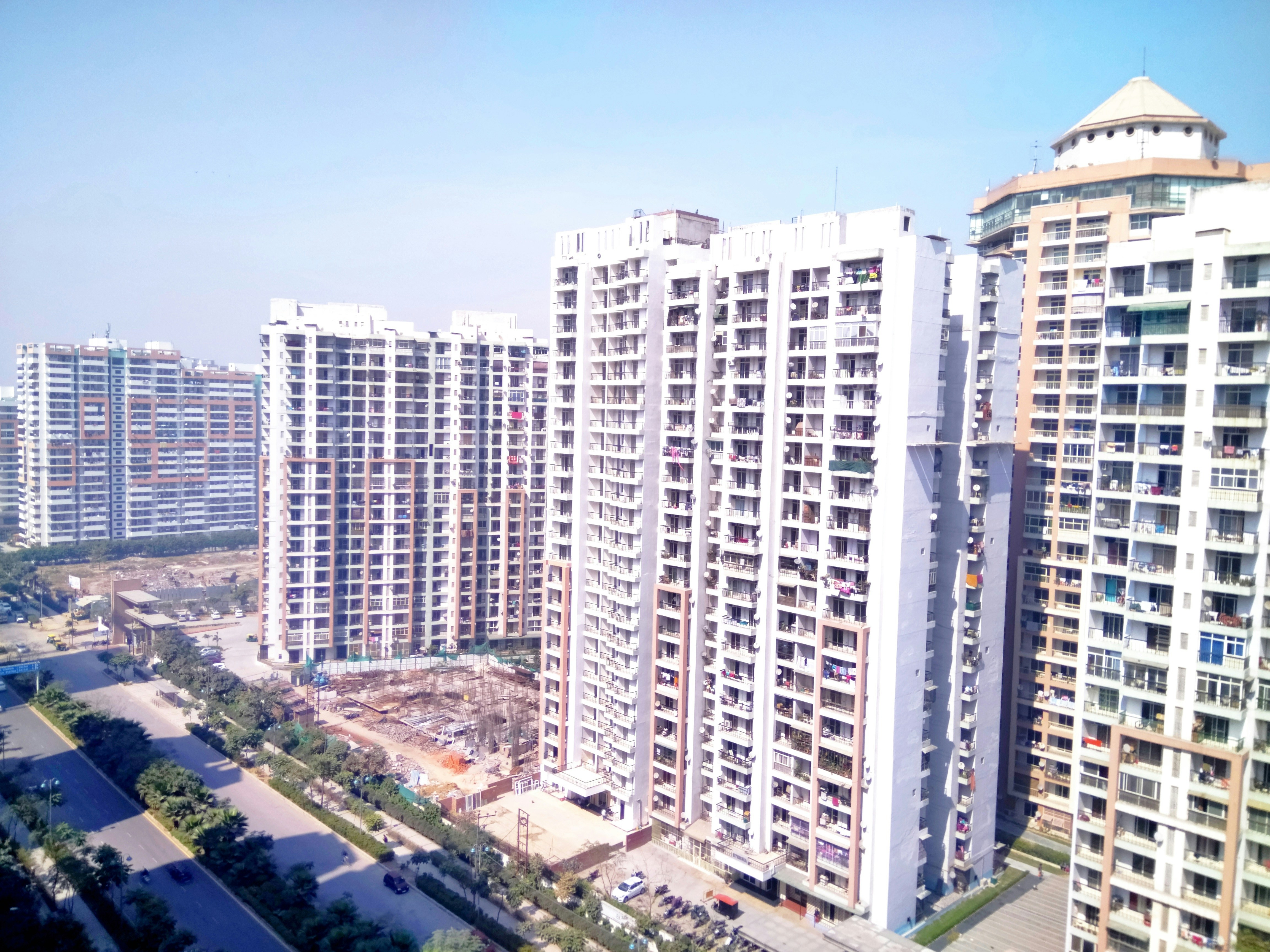
Delhi, a city of contrasts, is known for its historical grandeur, bustling markets, and unfortunately, its challenging air quality and resource scarcity. This dichotomy is fundamentally reshaping the expectations of the city’s affluent class. For the high-net-worth individual (HNI) today, true luxury is no longer just about Italian marble and opulent chandeliers; it’s about sustainability, health, and intelligent efficiency.
The Delhi-NCR luxury real estate segment is currently undergoing a “Green Shift,” where eco-friendly and smart features are rapidly moving from being niche amenities to becoming non-negotiable standards. This isn’t just a global trend—it’s a calculated response to the local challenges of urban life in the capital.
The Local Drivers: Why Delhi’s Elite Demand Green
The push for sustainable luxury in Delhi is driven by two very real, local problems:
1. The Quest for Healthier Indoor Air Quality (IAQ)
With Delhi often topping the list of the world’s most polluted cities, the ability to create a clean-air sanctuary at home has become the ultimate luxury.
- Advanced Filtration: Luxury projects in areas like Vasant Kunj and Greater Kailash now feature centralized MERV-rated air filtration systems that actively monitor and purify indoor air, providing a genuine sense of relief and wellness.
- Low-VOC Materials: Discerning buyers are demanding the use of low-VOC (Volatile Organic Compounds) paints, sealants, and furniture finishes to minimize indoor chemical pollutants, ensuring that the air within the marble walls is as pristine as possible.
2. Resource Security and Efficiency
In a city grappling with perennial water and power supply issues, self-sufficiency translates directly into superior quality of life and resilience.
- Water Management: Features like Rainwater Harvesting (RWH) systems and Sewage Treatment Plants (STPs) that recycle greywater for landscaping and flushing are vital. They reduce the household’s reliance on municipal supply and ground extraction, offering a robust buffer against local water crises.
- Energy Resilience: Power backup is essential, but reliance on diesel generators is old-school. HNIs are now looking for integrated rooftop solar power systems combined with advanced battery storage, dramatically cutting dependence on the grid and translating to near-zero power bills—a financial and environmental win.
The Smart Integration: Convenience Meets Conservation
The “Smart” aspect of the luxury shift is all about leveraging technology to achieve optimal resource conservation and unparalleled comfort.
The Investment Angle: The Green Premium
While green construction can initially cost 5-10% more than conventional building, the benefits stack up over the long run, making it a sound financial investment for the luxury buyer.
- Higher Resale Value: Green-certified homes (IGBC, GRIHA, LEED) consistently command a premium of 10-15% in the resale market compared to non-certified equivalents. Buyers are willing to pay more for proven long-term operational savings and a superior living environment.
- Reduced Operating Costs: The substantial savings on water and electricity bills mean the initial investment in solar and water recycling systems is often recouped faster than anticipated.
- Future-Proofing: As local and central governments introduce stricter environmental mandates and potential taxes on non-compliant buildings, a certified green home is inherently protected from future regulatory risks.
The Reality Check: Hurdles to Widespread Adoption
While the demand is soaring, the path to a fully sustainable Delhi real estate market faces practical hurdles:
- The Information Gap: While top-tier developers are certified, many smaller luxury builders use ‘greenwashing’—token features like a few potted plants—without proper certification. Buyers must insist on recognized certifications (IGBC, GRIHA) to ensure true sustainability.
- The Cost Barrier: While wealthy buyers absorb the initial 5-10% extra cost, this remains a significant barrier for the mid-market segment, slowing down the overall city-wide shift.
- Space Constraints in Built-up Delhi: Implementing large-scale RWH or solar energy systems is easier in new developments on the NCR periphery (Gurgaon, Noida). In older, dense South Delhi colonies, retrofitting established, high-end builder floors presents significant logistical and cost challenges.
The Future of Luxury is Responsible
The Green Shift in Delhi’s luxury real estate is less about virtue signalling and more about necessity and prudence. It reflects a mature, informed buyer base that understands that in a highly constrained urban environment like Delhi, the most valuable assets are clean air, reliable water, and energy independence.
For developers, sustainability is no longer an optional add-on—it is the foundation upon which the next generation of Delhi luxury is being built.